

Laparoscopic Urological Procedures: A Guide from the Best Urologist In Surat for Patients and Families

If your doctor has recommended a urological procedure for you or a loved one, you might be feeling worried. The good news is that many urological problems can now be treated with minimally invasive procedures. These modern techniques are gentler on the body and can make recovery easier. Urology experts from SIDS Hospital, one of the best hospitals in Surat, explain what these procedures are, how they can help, and what to expect during recovery.

What are Minimally Invasive Urological Procedures?

Minimally invasive procedures are ways of treating urological problems (issues with the kidneys, bladder, or reproductive organs) without making large cuts in the body. Instead, our specialists use tiny cameras and special tools to perform surgery through small openings or natural body passages. This approach is often less painful and allows for quicker healing compared to traditional open surgery.

Common Types of Minimally Invasive Urological Procedures:

Listed below are the most common types of minimally invasive urological procedures performed

1. Laparoscopic Surgery:

Think of this as “keyhole surgery.” The doctor makes a few small cuts in the belly and uses a tiny camera and tools to perform the operation. This can be used to remove kidney stones or treat prostate problems.

2. Robotic-Assisted Surgery:

This is similar to laparoscopic surgery, but the doctor controls robotic arms to perform very precise movements. It’s often used for prostate cancer surgery or to fix kidney problems.

3. Endoscopic Procedures:

These procedures use the body’s natural openings. For example, a thin tube with a camera might be passed through the urethra (the tube you urinate through) to examine the bladder or remove small bladder tumours.

4. Shock Wave Treatment:

This uses sound waves from outside the body to break up kidney stones, making them easier to pass naturally.

Benefits of Minimally Invasive Procedures:

According to the best urologists in Surat, the benefits of minimally invasive procedures are many, including:

1. Less Pain: Smaller cuts mean less pain after surgery.

2. Shorter Hospital Stays: Many patients can go home the same day or after just one night in the hospital.

3. Faster Recovery: You or your loved one might be back to normal activities sooner.

4. Smaller Scars: The tiny cuts heal quickly and leave very small marks.

5. Lower Risk of Complications: There’s usually less bleeding and lower chance of infection.

What to Expect During Recovery:

Right After the Procedure:

– There might be some discomfort, but it’s usually manageable with regular pain medication.

– The patient might have a thin tube (catheter) to help with urination for a short time.

  • Most people can eat and drink soon after the procedure.

The First Few Days:

– Many patients go home within 1–2 days.

– The doctor will encourage gentle movement, like short walks, to help with healing.

  • There will be a follow-up appointment to check how things are healing.

The Next Few Weeks:

– Activity levels can gradually increase, but no heavy lifting or intense exercise yet.

– Most people can return to desk jobs or light duties within 1–2 weeks.

  • The doctor will advise when it’s safe to drive and resume other activities.

Getting Back to Normal:

– After 3–6 weeks, most patients can return to their usual activities.

  • Regular check-ups will help ensure everything is healing well.

How to Prepare:

1. Ask Questions: Don’t be shy about asking the doctor to explain things clearly.

2. Arrange Help: Plan for someone to drive you home and help out for the first few days.

3. Prepare Your Home: Set up a comfortable recovery area with everything you might need within easy reach.

4. Follow Instructions: The doctor will give specific advice about medications and what to do before surgery — it’s important to follow these carefully.

Important Things to Remember:

– Everyone’s recovery is different. Some people heal faster than others, and that’s okay.

– If you notice any unusual symptoms during recovery (like fever, severe pain, or bleeding), contact your doctor right away.

– Minimally invasive procedures can treat many urological problems effectively, but they’re not suitable for every situation. Your doctor will recommend the best approach for you or your loved one.

  • It is advisable to get the procedure done from one of the best hospitals in Surat, such as SIDS Hospital, where these procedures are conducted routinely. This ensures that you have an experienced and well-oiled team at your disposal.

Conclusion:

Minimally invasive urological procedures have made treating many urological problems safer and easier on patients. While the idea of any medical procedure can be scary, understanding what to expect can help ease your worries. Remember, our healthcare team, composed of the best urologist in Surat, is there to support you every step of the way. Don’t hesitate to ask questions or share your concerns — they’re there to help you or your loved one have the best possible experience and outcome.

Endoscopy Unveiled: 6 Common Myths Debunked

If you’ve been told you need an endoscopy, you might feel a bit anxious. It’s natural to have concerns about any medical procedure, especially one that involves examining the inside of your body. However, many of the fears surrounding endoscopy are based on myths and misconceptions. Let’s set the record straight from the experts at SIDS Hospital, one of the best hospitals in Surat, and bust six common myths about endoscopy to help put your mind at ease.

Myth #1: Endoscopy is extremely painful

One of the most common fears about endoscopy is that it’s a painful procedure. In reality, most patients experience little to no pain during an endoscopy. Before the procedure, you’ll typically receive a sedative to help you relax. This sedation ensures that you’re comfortable throughout the process. While you might feel some pressure or mild discomfort, actual pain is rare.

Many patients report that the anticipation of the procedure is often worse than the experience itself. After the endoscopy, you might have a slightly sore throat if the procedure involved examining your upper digestive tract, but this usually subsides quickly. Choosing the best gastro hospital in Surat, such as SIDS Hospital, is advisable since their healthcare professionals are more experienced in performing such procedures.

Myth #2: You’ll be conscious and aware during the entire procedure

Another common misconception is that you’ll be fully conscious and aware during the endoscopy. In most cases, this isn’t true. While endoscopy doesn’t require general anaesthesia, you’ll usually receive what’s called “conscious sedation.” This means you’ll be in a twilight state — relaxed and drowsy, often to the point where you’ll sleep through much of the procedure.

Many patients have no memory of the endoscopy at all. If you’re particularly anxious, talk to your doctor about your sedation options. They can adjust the level of sedation to ensure you’re as comfortable as possible. Talking to other patients who have undergone the best endoscopy in Surat can also give you a general ideal of what to expect.

Myth #3: Endoscopy is only for diagnosing cancer

While it’s true that endoscopy is an important tool for detecting cancer, particularly in the digestive tract, this is far from its only use. Endoscopy is used to diagnose and sometimes treat a wide range of conditions.

For example, endoscopy can help identify the cause of symptoms like chronic heartburn, abdominal pain, or difficulty swallowing. It’s used to diagnose conditions like ulcers, inflammation, and celiac disease. In some cases, doctors can even use endoscopy to remove polyps, stop bleeding, or perform other treatments.

Myth #4: The prep for an endoscopy is worse than the procedure itself

You might have heard stories about the preparation required for an endoscopy, particularly if it’s a colonoscopy. While it’s true that you’ll need to follow some specific instructions before your procedure, it’s usually not as bad as you might fear.

For an upper endoscopy, you’ll typically just need to fast for a few hours before the procedure. For a colonoscopy, you’ll need to clean out your bowels, which involves drinking a special solution and spending some time in the bathroom. While this isn’t anyone’s idea of a fun time, modern prep solutions are much more palatable than they used to be, and there are various options available. Your doctor can help you choose the prep method that will be most comfortable for you.

Myth #5: Endoscopy is dangerous and has many risks

Like any medical procedure, endoscopy or the best laparoscopic surgery in Surat does carry some risk. However, serious complications are extremely rare. The most common side effects are minor and temporary, such as bloating, gas, or a mild sore throat.

More serious complications, such as bleeding or perforation of the digestive tract, occur in less than 1 in 1,000 cases. Your doctor is highly trained to perform the procedure safely and will carefully monitor you throughout. The benefits of endoscopy — early detection and treatment of potentially serious conditions — far outweigh the small risks for most patients.

Myth #6: Recovery from endoscopy takes a long time

Many people worry that they’ll need to take significant time off work or daily activities after an endoscopy. However, the best gastroenterologists in Surat will tell you that recovery from a routine endoscopy is usually quite quick. Most patients can go home the same day as their procedure.

You’ll need someone to drive you home due to the lingering effects of sedation, and you should plan to take it easy for the rest of the day. However, most people can return to their normal activities the following day. Your doctor will give you specific instructions based on your individual case, but extended recovery time is rarely necessary.

Final Words:

While it’s normal to feel some apprehension about having an endoscopy, understanding the truth behind these common myths can help alleviate many of your concerns. Endoscopy is a safe, relatively comfortable, and incredibly valuable diagnostic and therapeutic tool. It has helped countless patients get the answers and treatment they need to improve their health and quality of life.

If you have any remaining concerns about an upcoming endoscopy, don’t hesitate to discuss them with some of the best gastroenterologists in Surat available at SIDS hospital. They can provide you with more detailed information specific to your situation and help ensure you feel as comfortable and prepared as possible for your procedure. Remember, knowledge is power when it comes to your health, and being well-informed is the best way to approach any medical procedure.

Unveiling the Safety Protocols and Risks of Laparoscopic Surgery: What You Need to Know

Laparoscopic surgery, also known as minimally invasive surgery, has revolutionized the field of medicine with its numerous benefits. From shorter recovery times to reduced postoperative pain, laparoscopic procedures offer patients a less invasive alternative to traditional open surgery. However, like any medical procedure, laparoscopic surgery comes with its own set of safety measures and risk factors that patients should be aware of. In this article, laparoscopic surgeons from SIDS Hospital, well-known as one of the best hospitals in Surat, have outlined the safety protocols and potential risks associated with laparoscopic surgery. Let’s take a look:

Safety Measures

Before getting into laparoscopic surgery, your team of healthcare experts will take care of the following safety measures to ensure that you get to experience the best laparoscopic surgery in Surat:

Preoperative Assessment

A comprehensive preoperative assessment evaluates not only physical health but also factors such as medication use, allergies, and previous surgical history. This holistic approach ensures that any potential risks or contraindications are identified and addressed before surgery.

Patient Education

In addition to discussing the procedure itself, patients should be informed about the importance of preoperative preparations, such as fasting and medication adjustments. Clear communication about postoperative expectations and potential complications empowers patients to actively participate in their recovery process.

Surgical Team Expertise

Beyond technical proficiency, the surgical team’s ability to collaborate and communicate effectively is crucial for ensuring smooth and safe surgical outcomes. Patients should feel confident in their surgeon’s expertise and trust the entire team’s commitment to their well-being.

Sterile Environment

Strict adherence to infection control protocols minimizes the risk of surgical site infections, which can lead to prolonged hospital stays and additional treatments. SIDS Hospital, one of the best stomach hospitals in Surat, maintains a sterile environment that incorporates meticulous attention to detail, from proper hand hygiene to thorough cleaning and sterilization of equipment.

Advanced Equipment

The continuous evolution of laparoscopic technology has led to the development of increasingly sophisticated instruments and imaging systems. For the best laparoscopic surgery in Surat, surgeons from SIDS Hospital rely on these innovations to perform complex procedures with precision and confidence, enhancing patient safety and outcomes.

Anaesthesia Monitoring

Anaesthesia management is tailored to each patient’s individual needs, taking into account factors such as age, weight, and medical history. Continuous monitoring of vital signs allows anaesthesiologists to detect and address any changes promptly, minimizing the risk of anaesthesia-related complications.

Postoperative Care

Recovery doesn’t end when the surgery is over; it’s an ongoing process that requires diligent monitoring and support. Patients should be encouraged to report any unexpected symptoms or concerns promptly, allowing healthcare providers to intervene early and prevent potential complications.

Risk Factors

Some risk factors of laparoscopic procedures include:

Infection

Despite rigorous infection control measures, the risk of infection can never be entirely eliminated. Patients can help reduce this risk by following postoperative wound care instructions and attending follow-up appointments for monitoring and assessment.

Bleeding

While laparoscopic techniques minimize tissue trauma and bleeding compared to open surgery, some degree of bleeding is still possible. Surgeons from SIDS Hospital, one of the best hospitals in Surat, are trained to identify and address bleeding promptly to prevent excessive blood loss and its associated complications.

Organ Damage

Although rare, inadvertent injury to nearby organs or structures can occur during laparoscopic surgery, particularly in complex cases. Surgeons employ meticulous technique and anatomical knowledge to minimize this risk, but vigilance and expertise are essential.

Blood Clots

Immobility during surgery and the early postoperative period can increase the risk of blood clot formation, especially in patients with pre-existing risk factors such as obesity or a history of blood clots. Patients are encouraged to mobilize as soon as possible after surgery and may receive prophylactic measures such as compression stockings or blood-thinning medications.

Anaesthesia Complications

Anaesthesia-related adverse events are rare but can have serious consequences if not promptly recognized and managed. SIDS Hospital’s anaesthesiologists undergo rigorous training to anticipate and mitigate potential complications, ensuring patient safety throughout the surgical process.

Conversion to Open Surgery

While laparoscopic surgery offers many advantages, unforeseen challenges may necessitate conversion to an open approach. Surgeons prioritize patient safety above all else and make this decision when it’s deemed necessary to achieve the best possible outcome.

Conclusion

Laparoscopic surgery offers numerous benefits for patients, including faster recovery times and reduced postoperative pain. Like any other procedure, it’s essential to understand the safety measures and potential risks associated with laparoscopy. By working closely with the surgical team of SIDS Hospital, one of the best gastro hospitals in Surat, and following preoperative and postoperative instructions, patients can minimize the risk of complications and achieve successful outcomes.

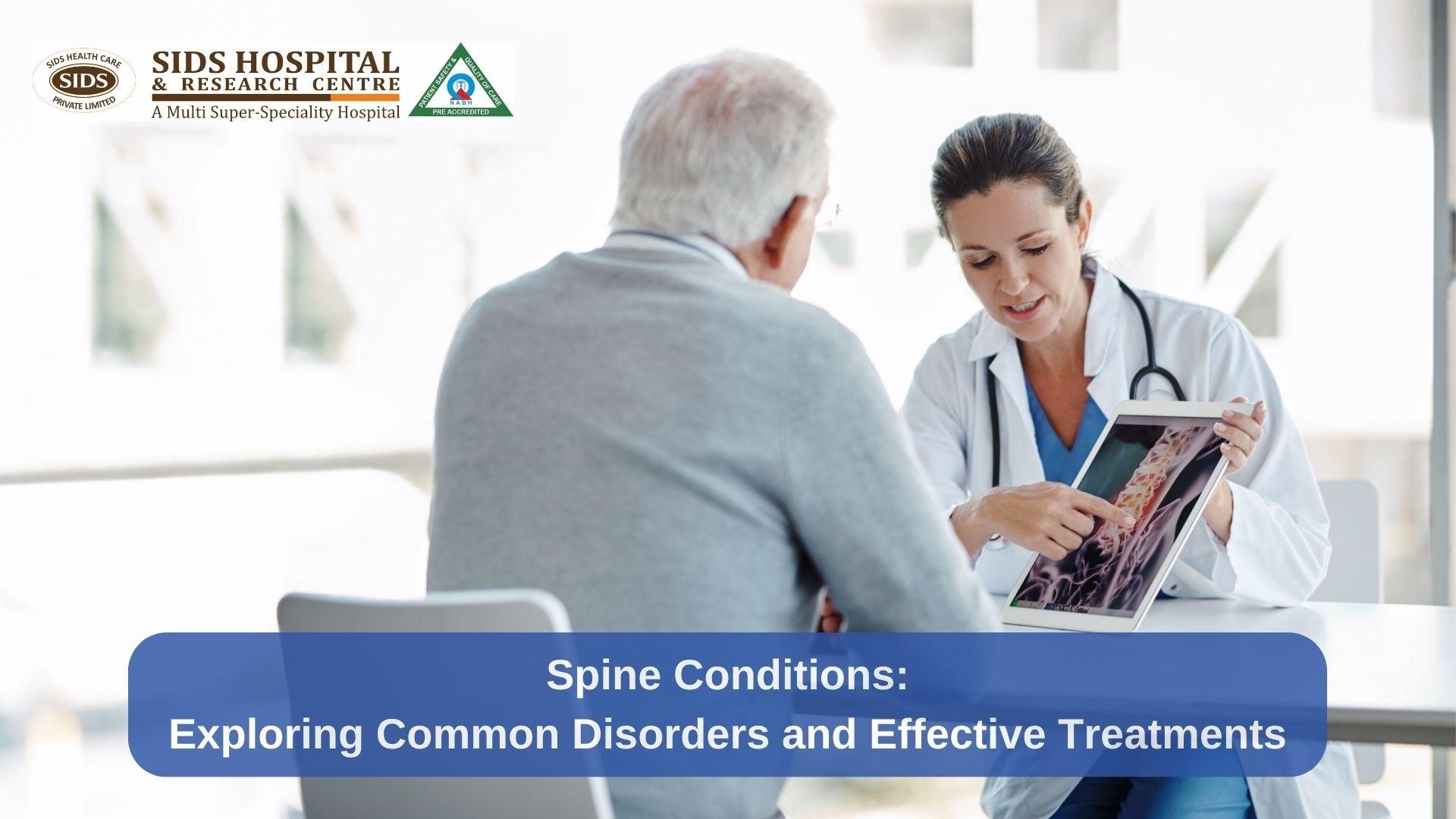
Spine Conditions: Exploring Common Disorders and Effective Treatments

The spine is a remarkable structure that provides support, flexibility, and protection for the spinal cord — a crucial component of the central nervous system. However, various factors such as aging, injury, and poor posture can lead to spine conditions that affect mobility and quality of life. In this article, let’s look into some of the most common spine disorders shared by the doctors of SIDS Hospital, one of the best hospitals in Surat, along with their symptoms, and the treatments available to alleviate pain and restore function.

Degenerative Disc Disease

Degenerative disc disease is a condition characterized by the breakdown of intervertebral discs — the cushions between the vertebrae. As these discs degenerate, they can lose height, become less flexible, and develop tears or bulges. Symptoms may include back pain, stiffness, and radiating pain or numbness into the arms or legs. Treatment options range from conservative measures such as physical therapy and medications to surgical interventions like spinal fusion or disc replacement.

Herniated Disc

A herniated disc occurs when the gel-like material inside a disc protrudes through a tear in the outer layer, putting pressure on nearby nerves. The best spine specialists in Surat, consulting at SIDS hospital, say that herniated discs can cause symptoms such as sharp, shooting pain, tingling, or weakness in the affected area. Treatment typically involves rest, anti-inflammatory medications, physical therapy, and epidural steroid injections. In severe cases, surgery may be necessary to relieve pressure on the nerves and restore function.

Spinal Stenosis

Spinal stenosis is a narrowing of the spinal canal — the space that houses the spinal cord and nerve roots. This narrowing can compress the spinal cord and nerves, leading to symptoms such as pain, numbness, and weakness in the back, legs, or arms. Conservative treatments such as physical therapy and pain management techniques are often effective in managing symptoms. In more severe cases, surgical procedures like laminectomy or spinal fusion may be recommended to alleviate pressure on the spinal cord and nerves.

Scoliosis

Scoliosis is a sideways curvature of the spine that typically develops during adolescence. Doctors from SIDS hospital, one of the best hospitals in Surat, say that while mild cases may not cause any symptoms, more severe curvature can lead to back pain, uneven shoulders or hips, and difficulty breathing. Treatment options for scoliosis depend on the severity of the curvature and the patient’s age. Observation, bracing, and physical therapy are common approaches for adolescents with mild to moderate scoliosis, while surgery may be recommended for severe curvature or progressive cases.

Spinal Fractures

Spinal fractures can result from trauma, osteoporosis, or certain medical conditions. Common types of spinal fractures include compression fractures, which occur when the vertebrae collapse or become compressed due to weakened bone density. Symptoms may include sudden onset back pain, difficulty standing or walking, and loss of height. Treatment options range from conservative measures such as rest, pain medications, and bracing to minimally invasive procedures like vertebroplasty or kyphoplasty to stabilize the fractured vertebrae.

Spondylolisthesis

Spondylolisthesis is a condition characterized by the forward displacement of one vertebra over the one below it, typically in the lower back. This displacement can compress the spinal nerves, leading to symptoms such as lower back pain, sciatica, and leg weakness. Treatment options for spondylolisthesis depend on the severity of the displacement and the presence of symptoms. The best spine specialists in Surat, available at SIDS hospital, recommend conservative measures such as physical therapy and bracing since they prove effective for mild cases, while surgery may be necessary to stabilize the spine and alleviate nerve compression in more severe cases.

Sciatica

Sciatica is a common symptom of several spine conditions, including herniated discs, spinal stenosis, and spondylolisthesis. It occurs when the sciatic nerve — the largest nerve in the body — becomes compressed or irritated, leading to pain, tingling, or numbness that radiates from the lower back down the leg. Treatment for sciatica focuses on relieving pain and reducing inflammation. This may include rest, anti-inflammatory medications, physical therapy, and epidural steroid injections. In some cases, surgery may be recommended to address the underlying cause of nerve compression.

Conclusion

Understanding the common spine conditions and their associated symptoms is essential for early diagnosis and effective treatment. Whether through conservative measures or surgical interventions, there are various options available to alleviate pain, improve function, and restore quality of life for individuals living with spine disorders. If you’re experiencing persistent back or neck pain or other symptoms related to spine conditions, consult with a healthcare provider at SIDS hospital, which is well-known as the best hospital in Surat, or spine specialist for evaluation and personalized treatment recommendations.