

The Impact of Rheumatoid Arthritis on Joint Health and Mobility

Introduction

Rheumatoid arthritis is a long-term disease that affects the joints. It causes swelling, pain, and stiffness. The rheumatoid arthritis impact on joint health can be serious. Over time, it may lead to joint damage and loss of movement. Because of this, many people find it hard to do daily tasks. In this blog, you will learn how rheumatoid arthritis affects joint health and mobility. You will also find tips to manage symptoms and protect your joints.

What is Rheumatoid Arthritis?

Rheumatoid arthritis, or RA, is an autoimmune disease. This means the body’s immune system attacks its own tissues. In RA, the immune system targets the lining of the joints. As a result, joints become swollen and painful. Unlike some other joint problems, RA can affect many joints at once. It often starts in the hands, wrists, or feet. Over time, RA can spread to other parts of the body. According to the CDC, RA affects about 1% of people worldwide.

How Rheumatoid Arthritis Affects Joint Health

RA causes inflammation in the joints. This swelling can damage the cartilage and bone. Over time, joints may lose their shape. Because of this, movement becomes harder. In many cases, joint pain and stiffness get worse. Some people may notice their joints feel warm or look red. If left untreated, RA can lead to permanent joint damage. This is why early care is important for joint health.

Symptoms and Early Warning Signs

It is important to spot RA early. Common symptoms include:Joint pain and swelling, often in the hands or feetStiffness, especially in the morning or after restWarm or tender jointsFatigue or feeling tiredLow fever

Sometimes, symptoms come and go. However, if you notice these signs, talk to your doctor. Early treatment can help prevent joint damage.

Effects on Mobility and Daily Life

RA can make it hard to move joints. Because of pain and swelling, simple tasks may become difficult. For example, opening jars or walking can be a challenge. Over time, mobility loss in rheumatoid arthritis can affect work and hobbies. Some people may need help with daily activities. However, with the right care, many people can stay active. Using joint health tips can also make daily life easier.

Diagnosis and Medical Evaluation

Doctors use several steps to diagnose RA. First, they ask about your symptoms and health history. Next, they check your joints for swelling or tenderness. Blood tests can show signs of inflammation. Sometimes, doctors use X-rays or other scans to look at joint damage. Early diagnosis is key. It helps start treatment before joints are badly damaged.

Treatment Options

There are many ways to treat RA. Treatment aims to reduce pain and protect joint health. Common options include:Medications: These help lower swelling and pain. Some drugs slow the disease.Physical therapy: Exercises can keep joints flexible and strong.Surgery: In some cases, surgery repairs or replaces damaged joints.

Your doctor will suggest the best plan for you. Because each person is different, treatment may change over time.

Lifestyle Tips for Managing Joint Health

Besides medical care, healthy habits can help. Try these joint health tips:Stay active with gentle exercises, like walking or swimmingUse heat or cold packs to ease painEat a balanced diet rich in fruits and vegetablesMaintain a healthy weight to reduce joint stressRest when you feel tiredUse tools or aids to protect your joints

With these steps, you can manage rheumatoid arthritis joint pain and improve your quality of life.

Prevention and Long-Term Outlook

There is no sure way to prevent RA. However, early treatment can slow joint damage. Regular check-ups help track your joint health. Because RA is a lifelong disease, staying informed is important. Many people live full lives with RA. With the right care, you can protect your joints and stay active for years to come.

Consult a healthcare specialist at SIDS Hospital & Research Centre for personalized advice on managing rheumatoid arthritis and protecting your joint health. Our expert team is here to guide you toward the best care and a more active life.


Causes of Infertility at a Young Age: Understanding Obstetric and Gynecological Factors

Introduction: What Is Infertility and Why Does It Matter?

Infertility means not being able to get pregnant after trying for a year. For young people, this can be surprising and stressful. However, understanding the causes of infertility at a young age can help you take early steps. Many young women and men face this issue, but help is available. According to the World Health Organization (WHO), infertility affects about 15% of couples worldwide. Early awareness can make a big difference.

Primary Causes: Obstetric and Gynecological Factors

There are many reasons for infertility in young people. Often, these causes are linked to the reproductive system. Let’s look at the most common obstetric and gynecological factors:Hormonal Imbalances: Sometimes, the body does not make the right amount of hormones. This can affect ovulation, which is when the ovary releases an egg.Polycystic Ovary Syndrome (PCOS): PCOS is a common cause of infertility in young women. It leads to irregular periods and makes it harder to release eggs.Endometriosis: This condition happens when tissue from the uterus grows outside it. As a result, it can block the fallopian tubes or cause pain.Lifestyle Factors: Smoking, drinking alcohol, being overweight, or underweight can affect fertility. Stress and poor diet also play a role.Genetic Issues: Some people are born with genetic problems that affect their reproductive organs.Infections: Sexually transmitted infections (STIs) like chlamydia or gonorrhea can damage the reproductive system. Early treatment is important.

Symptoms and Warning Signs

Many people do not notice symptoms until they try to have a baby. Still, some warning signs can help you spot problems early. For example, you may notice:Irregular or missed periodsPainful periods or pelvic painUnusual vaginal dischargeChanges in hair growth or weightPain during sexNo pregnancy after a year of trying

If you notice any of these signs, it is wise to talk to a doctor. Early action can help find the cause.

Diagnosis: How Is Infertility Found?

Doctors use several tests to find the causes of infertility at a young age. First, they will ask about your health and family history. Next, they may do a physical exam. Common tests include:Blood tests to check hormone levelsUltrasound to look at the ovaries and uterusOvulation tracking to see if you are releasing eggsTests for infections or blockagesFor men, a semen analysis checks sperm health

With these tests, doctors can find the main reason and suggest the best treatment.

Prevention and Lifestyle Guidance

While not all causes can be prevented, you can lower your risk. Here are some tips to protect your fertility:Eat a balanced diet rich in fruits and vegetablesExercise regularly but avoid extreme workoutsMaintain a healthy weightAvoid smoking and limit alcoholPractice safe sex to prevent infectionsManage stress with relaxation techniques

Making small changes can have a big impact on your reproductive health.

When to Seek Medical Help

If you have tried to get pregnant for a year without success, it is time to see a specialist. However, if you have irregular periods, severe pain, or a history of infections, seek help sooner. Early diagnosis can improve your chances of having a baby. Remember, you are not alone, and many treatments are available.

Conclusion

Infertility at a young age can be caused by many factors. Understanding the causes of infertility at a young age helps you take control of your health. If you have concerns, consult a healthcare specialist at SIDS Hospital & Research Centre for personalized advice. Our expert team is here to help you understand your options and guide you through the next steps in your fertility journey.

PCOS and Infertility: Causes, Symptoms, Diagnosis, and Treatment

PCOS and infertility often go hand in hand, affecting many women worldwide. PCOS, or polycystic ovary syndrome, is a common hormone problem. It can make it hard to get pregnant. Many people search for answers about how PCOS affects fertility, PCOS treatment for infertility, and PCOS symptoms and diagnosis. Understanding these topics can help you take control of your health. In this blog, we will explain what PCOS is, how it causes infertility, and what you can do about it.

What is PCOS?

PCOS stands for polycystic ovary syndrome. It is a health condition that affects how a woman’s ovaries work. The ovaries are small organs that make eggs and hormones. With PCOS, the ovaries may not release eggs regularly. This can lead to problems with periods and fertility. According to the CDC, PCOS is one of the most common causes of female infertility. However, with the right care, many women can manage their symptoms.

How Does PCOS Cause Infertility?

PCOS can make it hard to get pregnant for several reasons. First, women with PCOS may not ovulate every month. Ovulation is when an egg is released from the ovary. Without ovulation, pregnancy cannot happen. Second, PCOS can cause hormone imbalances. These changes can affect the lining of the uterus, making it harder for a fertilized egg to attach. In some cases, PCOS can also lead to other health issues, like insulin resistance, which may further affect fertility.

Common Symptoms of PCOS

PCOS symptoms can vary from person to person. Some women may have only a few signs, while others may have many. Still, knowing the common symptoms can help you recognize PCOS early. Here are some signs to watch for:Irregular periods or missed periodsExcess hair growth on the face or bodyAcne or oily skinWeight gain or trouble losing weightThinning hair on the scalpDark patches of skin, often on the neck or underarmsDifficulty getting pregnant

If you notice these symptoms, it is important to talk to your doctor. Early diagnosis can help prevent long-term problems.

Diagnosing PCOS and Infertility

Doctors use several steps to diagnose PCOS and infertility. First, they will ask about your symptoms and medical history. Next, they may do a physical exam. Blood tests can check your hormone levels. An ultrasound can look at your ovaries and uterus. According to the World Health Organization (WHO), a diagnosis of PCOS is made if you have at least two of these three signs:Irregular or missed periodsHigh levels of male hormones (found in blood tests or by symptoms like extra hair growth)Ovaries that look larger or have many small cysts (seen on ultrasound)

Because other health problems can cause similar symptoms, your doctor may rule out other conditions before confirming PCOS.

Treatment Options for PCOS-Related Infertility

There are several ways to treat PCOS-related infertility. The right treatment depends on your symptoms and health goals. Here are some common options:Lifestyle changes, such as losing weight and eating a healthy dietMedicines to help you ovulate, like clomiphene or letrozoleMetformin, a medicine that helps with insulin resistanceHormone treatments, such as birth control pills, to regulate periods (not for women trying to get pregnant)In vitro fertilization (IVF) for women who do not respond to other treatmentsSurgery (rarely), such as ovarian drilling, to help with ovulation

Always talk to your doctor about the best PCOS treatment for infertility. In some cities, you may find special clinics that offer PCOS treatment in your area.

Lifestyle Tips for Managing PCOS and Improving Fertility

Making healthy lifestyle choices can help manage PCOS and boost fertility. Even small changes can make a big difference. Here are some tips:Eat a balanced diet with plenty of fruits, vegetables, and whole grainsExercise regularly, aiming for at least 30 minutes most daysMaintain a healthy weight, as even a small weight loss can helpLimit processed foods and sugary drinksManage stress with relaxation techniques, like yoga or meditationGet enough sleep each night

These steps can help control symptoms and improve your chances of getting pregnant.

Prevention and When to Seek Medical Help

While you cannot always prevent PCOS, healthy habits may lower your risk. Early treatment can also prevent complications. You should see a doctor if you:Have irregular periods or no periods at allNotice signs of high male hormones, like extra hair or acneHave trouble getting pregnant after trying for a yearExperience sudden weight gain or other unusual symptoms

Doctors can help you find the right treatment and support. According to the CDC, early care can improve your health and fertility.

Consult a specialist at SIDS Hospital & Research Centre for personalized guidance on PCOS and infertility. Our expert team is here to help you navigate treatment options and support you on your journey toward better reproductive health.

Gallstones: Symptoms, Causes, Diagnosis, Treatment, and Prevention

What Are Gallstones?

Gallstones are small, hard pieces that form in the gallbladder. The gallbladder is a small organ under your liver. It stores bile, which helps digest fat. Sometimes, bile can harden and turn into stones. These stones can be as small as a grain of sand or as large as a golf ball. Gallstones are common, and many people do not know they have them. However, some people may develop symptoms that need medical care.

Symptoms of Gallstones

Many people with gallstones have no symptoms. But, when a stone blocks a bile duct, symptoms can appear. Early treatment can help prevent problems. Common gallstones symptoms include:Pain in the upper right side of the bellyPain that spreads to the back or right shoulderNausea or vomitingSudden, sharp pain after eating fatty foodsYellowing of the skin or eyes (jaundice)Fever or chills

Sometimes, symptoms come and go. If pain lasts more than a few hours, you should seek medical help.

Causes and Risk Factors

Gallstones form when the balance of substances in bile changes. For example, too much cholesterol or bilirubin can cause stones. Several risk factors increase your chance of getting gallstones. These include:Being overweight or obeseEating a high-fat or high-cholesterol dietLosing weight very quicklyBeing female, especially during pregnancyBeing over age 40Having a family history of gallstonesHaving diabetes

Even so, some people get gallstones without any risk factors. Knowing your risks can help you make healthy choices.

How Gallstones Are Diagnosed

If you have symptoms, your doctor may suggest tests for gallstones diagnosis. Early diagnosis can prevent complications. Common tests include:Ultrasound: This safe test uses sound waves to look for stones in the gallbladder.Blood tests: These can show signs of infection or blocked bile ducts.CT scan or MRI: These images help find stones or other problems.

Sometimes, doctors use other tests to check the bile ducts. Your doctor will choose the best test for you.

Treatment Options for Gallstones

Treatment depends on your symptoms and health. If you have no symptoms, you may not need treatment. However, if you have pain or other problems, treatment is needed. Gallstone treatment options include:Medications: Some medicines can dissolve small stones, but this takes time.Surgery: Removing the gallbladder (cholecystectomy) is the most common treatment. It is safe and effective.Non-surgical procedures: In rare cases, doctors use special tools to remove stones without surgery.

Most people recover well after treatment. Your doctor will explain the best option for you.

Prevention and Lifestyle Tips

While you cannot prevent all gallstones, healthy habits can lower your risk. For example, you can:Eat a balanced diet with plenty of fiberLimit fatty and fried foodsMaintain a healthy weightLose weight slowly, if neededStay active with regular exercise

Making small changes can help keep your gallbladder healthy. If you have questions, ask your doctor for advice on how to prevent gallstones.

When to See a Doctor

Sometimes, gallstones can cause serious problems. You should see a doctor if you have:Severe or lasting belly painYellowing of the skin or eyesFever with chillsVomiting that does not stop

Early care can prevent complications. If you live in a city with gallstones treatment options, seeking timely medical attention is important.

If you suspect you have gallstones, consult a specialist at SIDS Hospital for personalized guidance and proper care.

Tennis Elbow: Causes, Symptoms, Diagnosis, and Effective Treatments

What is Tennis Elbow?

Tennis elbow is a common condition that causes pain on the outside of the elbow. Although it is called tennis elbow, you do not have to play tennis to get it. Many people develop this problem from other activities. The medical name for tennis elbow is lateral epicondylitis. This condition happens when the tendons in your elbow become swollen or damaged. As a result, you may feel pain and weakness in your arm. According to the CDC, tennis elbow affects about 1% to 3% of adults each year.

Common Causes of Tennis Elbow

Most cases of tennis elbow are caused by overuse. When you repeat the same arm movements, the tendons in your elbow can get tiny tears. Over time, these tears lead to pain and swelling. For example, people who play racquet sports are at risk. However, many other activities can also cause tennis elbow.Playing tennis or other racquet sportsPainting or using a screwdriverTyping or using a computer mouse for long hoursLifting heavy objects oftenGardening or carpentry work

Sometimes, tennis elbow develops without a clear reason. But, repeated stress is usually the main cause.

Recognizing Symptoms

Usually, the first sign of tennis elbow is pain on the outside of your elbow. This pain may spread down your forearm. In addition, you might notice:Weak grip strengthPain when lifting or holding objectsDiscomfort when shaking handsStiffness in the elbow, especially in the morning

For some people, the pain gets worse with activity. But, it can also hurt when you are resting.

How Tennis Elbow is Diagnosed

Doctors can often diagnose tennis elbow by asking about your symptoms and examining your arm. First, your doctor will press on the outside of your elbow to check for tenderness. Next, you may be asked to move your wrist or fingers against resistance. This helps the doctor see if certain movements cause pain. In most cases, no special tests are needed. However, sometimes an X-ray or MRI may be done to rule out other problems. According to the American Academy of Orthopaedic Surgeons, these tests are not always required.

Treatment Options

There are many ways to find tennis elbow pain relief. Most people get better with simple treatments. In fact, surgery is rarely needed. Here are some common lateral epicondylitis treatments:Resting the arm and avoiding activities that cause painApplying ice packs to reduce swellingTaking over-the-counter pain medicine, such as ibuprofenWearing a brace or strap to support the elbowDoing gentle stretching and strengthening exercisesPhysical therapy to improve movement and strengthIn some cases, doctors may suggest steroid injections

Most people feel better within a few weeks to months. However, if pain lasts longer, your doctor may discuss other options.

Prevention Tips

Even though tennis elbow can be painful, you can take steps to lower your risk. For example, you can:Use proper technique when playing sports or workingTake breaks during repetitive tasksStretch and warm up before activityStrengthen your arm and wrist musclesUse tools with larger grips to reduce strain

With these tips, you can help prevent tennis elbow from coming back.

Lifestyle and Home Remedies

Many people find relief from tennis elbow at home. For instance, you can:Rest your arm as much as possibleApply ice for 15 to 20 minutes several times a dayUse a compression bandage or braceTry gentle massage to ease painDo simple exercises to stretch and strengthen your forearm

However, if your pain does not improve, you should see a doctor. Early treatment can help you heal faster and avoid long-term problems.

In summary, tennis elbow is a treatable condition. With the right care, most people recover fully. For personalized advice on managing tennis elbow, consult an orthopedic specialist at SIDS Hospital. Our expert team provides effective treatment options to help relieve pain and restore mobility.

Appendectomy: What to Expect Before, During, and After Surgery

What is an Appendectomy?

An appendectomy is a surgery to remove the appendix. Doctors often perform this procedure when a person has appendicitis. Appendicitis means the appendix is swollen or infected. If not treated, it can burst and cause serious problems. Therefore, an appendectomy is a common and important surgery.

Symptoms Leading to Appendectomy

Many people wonder when they might need an appendectomy. Usually, appendicitis causes clear symptoms. However, some signs can be mild at first. Watch for these symptoms:Pain in the lower right side of the bellyLoss of appetiteNausea or vomitingFeverSwelling in the bellyFeeling tired or weak

If you notice these symptoms, seek medical help right away. Early treatment can prevent serious problems.

Causes of Appendicitis

Appendicitis happens when the appendix gets blocked. This blockage can be due to:Hard stool or wasteSwollen tissue from infectionForeign objects in the bodyRarely, tumors

Because the blockage causes swelling and infection, the appendix can burst if not treated. As a result, quick action is important.

Diagnosis and When Surgery is Needed

Doctors use several steps to diagnose appendicitis. First, they ask about your symptoms. Next, they may press on your belly to check for pain. In addition, doctors often order tests such as:Blood tests to check for infectionUrine tests to rule out other problemsImaging tests like ultrasound or CT scan

If tests show appendicitis, doctors usually recommend an appendectomy. Surgery is often the safest way to prevent the appendix from bursting.

Types of Appendectomy Procedures

There are two main types of appendectomy procedures. Your doctor will choose the best one for you.Open Appendectomy: The surgeon makes one cut in the lower right belly to remove the appendix.Laparoscopic Appendectomy: The surgeon makes a few small cuts and uses a camera and special tools to remove the appendix.

Laparoscopic surgery often means less pain and a quicker recovery. However, open surgery may be needed if the appendix has burst or there is a lot of infection.

What to Expect Before Surgery

Before your appendectomy, your healthcare team will prepare you. Usually, you will:Stop eating and drinking for several hoursReceive fluids and medicine through a veinHave tests to check your healthMeet the surgeon and anesthesiologist to discuss the procedure

Because surgery can feel scary, ask your doctor any questions you have. They will explain what will happen and help you feel ready.

The Surgery Process: Step-by-Step

During an appendectomy, you will be asleep under anesthesia. The steps are simple:The team gives you medicine to make you sleep.The surgeon makes one or more small cuts in your belly.The appendix is carefully removed.The area is cleaned to prevent infection.The cuts are closed with stitches or staples.

Most appendectomy surgeries take less than an hour. After surgery, you will wake up in a recovery room.

Recovery and Aftercare

After an appendectomy, you will stay in the hospital for a short time. Most people go home within one to two days. However, if the appendix burst, you may need to stay longer. At home, you should:Rest and avoid heavy liftingTake pain medicine as directedKeep the surgery area clean and dryWatch for signs of infection, such as redness or feverFollow your doctor’s instructions for returning to normal activities

Because everyone heals at a different pace, talk to your doctor if you have concerns.

Possible Risks and Complications

Appendectomy is a safe surgery, but all procedures have risks. Some possible risks include:Infection at the surgery siteBleedingInjury to nearby organsBlood clotsProblems from anesthesia

Although these risks are rare, your doctor will watch for them. If you notice swelling, pain, or fever after surgery, contact your healthcare provider right away.

Tips for a Smooth Recovery

To help your body heal after an appendectomy, follow these tips:Eat light meals at firstDrink plenty of waterWalk around gently to prevent blood clotsRest as much as neededTake all medicines as prescribedKeep follow-up appointments with your doctor

With good care, most people recover fully within a few weeks.

Prevention and Lifestyle Guidance

There is no sure way to prevent appendicitis. However, a healthy lifestyle may help lower your risk. Consider these tips:Eat a diet rich in fiber, fruits, and vegetablesDrink enough water every dayStay active and exercise regularlySee your doctor for regular check-ups

Because appendicitis can happen to anyone, knowing the signs and acting quickly is important.

Consult a qualified surgeon at SIDS Hospital for personalised advice about appendectomy and your overall health.

Our experienced surgical team provides safe, advanced, and minimally invasive care to ensure faster recovery and better outcomes for patients with appendicitis. Schedule your consultation today for expert guidance and timely treatment.

Understanding Urinary Bladder Cancer: Causes, Symptoms, and Treatment Options

Urinary bladder cancer is a disease that involves the uncontrolled growth of cells in the bladder, a small organ in the lower abdomen that collects urine from the kidneys before it is excreted from the body. It’s vital for the public to be aware of this type of cancer due to its potential impact on health. Detecting and treating urinary bladder cancer early can significantly enhance outcomes and survival rates for patients. Awareness can lead to timely medical consultation, which is paramount in preventing severe complications.

Introduction to Urinary Bladder Cancer

Urinary bladder cancer occurs when abnormal cells grow in this organ’s inner lining. This cancer type is important to understand because it can progress and spread if not detected early. Certain individuals are more at risk than others.

Men are more often diagnosed with urinary bladder cancer than women, and the risk increases with age, typically affecting those over 55. Additionally, people who smoke and those with a history of chemical exposure are more susceptible. Learning about cancer can help reduce risk through informed lifestyle choices and timely checkups.

Prevalence and Statistics

Urinary bladder cancer is the fourth most common cancer in men in the United States. Estimates show tens of thousands of new cases annually. The disease also claims many lives, making it a critical health concern.

Globally, rates are also significant, though they vary by region. Gender differences exist, as men are more likely to develop urinary bladder cancer than women. The elderly are also at a higher risk, underlining the importance of regular medical examinations and awareness for those demographics.

Causes and Risk Factors

Several factors could lead to urinary bladder cancer. Smoking is a significant cause, as it exposes the body to harmful chemicals that affect the bladder lining. Workplace chemical exposure also poses risks, especially in industries like paint, rubber, and textiles.

Beyond lifestyle or work-related exposures, some infections can contribute to the risk. Urinary bladder cancer may also occur due to genetic predispositions. People with close relatives who have had cancer may have higher chances of developing it themselves.

These risks can vary by location. Cultural habits, diets, and even pollution levels in different regions contribute to the likelihood of exposure. Understanding and minimizing these risks can be crucial for prevention.

Identifying Symptoms Early

Recognizing symptoms early in urinary bladder cancer can save lives. The most common symptom is blood in the urine, a condition known as hematuria. Other signs include frequent urination, pain during urination, and back pain.

Unfortunately, these symptoms are sometimes confused with other less severe conditions. This confusion can delay seeking medical help. Consulting a doctor when symptoms appear is crucial for correct diagnosis and timely treatment. Early intervention can result in better management and outcome.

Diagnosis and Staging

Diagnosing urinary bladder cancer involves several procedures and tests. Doctors often use urine tests, imaging scans, and biopsies to confirm cancer. Medical professionals also perform cystoscopies, which involve using a small camera to look inside the bladder.

Once diagnosed, urinary bladder cancer is categorized into different stages. Staging assesses how much the cancer has spread. This information is essential as it guides the treatment plan, helping determine whether a patient requires surgery, chemotherapy, or other interventions.

Treatment Modalities

Treatment for urinary bladder cancer varies depending on the stage. Early stages may only require surgery to remove the cancerous parts of the bladder. Chemotherapy or immunotherapy might follow to ensure the disease doesn’t return.

As cancer progresses, more extensive surgeries or complete bladder removal might be necessary. Chemotherapy or radiation is often used to kill leftover cancer cells. Emerging treatments, like targeted therapies, show promise.

These innovative treatments zero in on specific cancer traits, potentially reducing side effects and improving efficacy. Staying informed about these options can empower patients to make knowledgeable treatment decisions.

Living With Bladder Cancer: Management and Support

Living with urinary bladder cancer involves understanding the prognosis and survival rates, which vary based on several factors, including stage and early detection. It is vital for patients to engage in regular follow-up care. Continuous monitoring helps spot any recurrence promptly.

Patients are encouraged to adopt a healthy lifestyle, which involves proper dieting and quitting smoking to aid recovery. Support groups and counseling can provide emotional assistance and aid in managing stress during this challenging journey.

Prevention: Reducing Risk and Promoting Awareness

Preventive measures can make a notable difference in reducing the risk of urinary bladder cancer. Quitting smoking tops the list as a significant preventive strategy. Awareness about occupational hazards and ensuring workplace safety is equally essential.

Regular medical checkups, especially for those with higher risk profiles, enhance early detection chances. Educating oneself about the disease and its symptoms increases the likelihood of earlier interventions.

Take charge of your urological health today
 📍 Visit SIDS Hospital for expert consultation and preventive care!

Conclusion

Urinary bladder cancer requires attention due to its severe health implications. Early detection and understanding cancer can lead to proactive steps, reducing risk and improving survival rates. Lifestyle adjustments, regular checkups, and seeking early medical advice are crucial. For further information, explore various support groups and health organizations to find reliable resources and connect with those who can help.

The Top 10 Causes of Acute Kidney Disease and How to Prevent Them

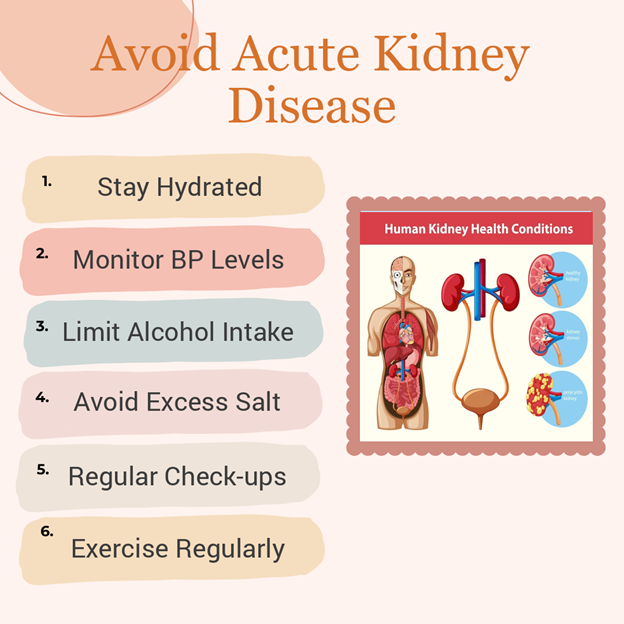
Brief overview of kidney health and the importance of awareness. – Kidneys are essential organs that filter waste from the blood and help maintain body balance. When they fail suddenly, it can lead to serious health problems. Acute kidney disease affects many worldwide. Raising awareness about this condition and its causes is crucial. By knowing what to look out for, people can take steps to reduce risks and maintain healthy kidneys.

Understanding Acute Kidney Disease (AKI)

Who is at risk? Focus on high-risk groups. – People of all ages can suffer from AKI, but some are at higher risk. This includes the elderly, those with pre-existing kidney issues, or people with diseases like diabetes or high blood pressure. Even children can be vulnerable due to infections. It’s equally important for people who take certain medications or have a high intake of over-the-counter pain relievers to be cautious.

1. Severe Dehydration: A Silent Threat

Prevention through adequate fluid intake and awareness during illnesses. – Drinking the right amount of water daily can prevent dehydration. If you’re sick, especially with vomiting or diarrhea, staying hydrated becomes more important. Each sip can help your body fight dehydration and protect your kidneys.

2. Sepsis and Severe Infections: What You Need to Know

Proactive measures like vaccination and timely treatment. – Vaccinations can shield people from infections that lead to sepsis. If infections do occur, seeking timely medical care can help manage and reduce the risk of severe consequences.

3. Combating Low Blood Pressure Risks

Prevention through managing underlying conditions. – Keeping blood pressure in check supports kidney health. Regular check-ups with healthcare providers help monitor any conditions affecting blood pressure. This oversight ensures kidneys receive proper blood flow.

4. Heart Disease: Protect Your Heart, Shield Your Kidneys

Tips on maintaining cardiovascular wellness. – Eating heart-healthy foods, exercising, and avoiding smoking are ways to protect heart health. Managing stress and sleeping well also contribute to cardiovascular well-being, indirectly protecting the kidneys.

5. Medication Risks: Be Informed

Consultation with healthcare providers for safe medication use. – Before starting or continuing any medication, always consult with a healthcare professional. They guide on proper usage, ensuring medications do not adversely affect the kidneys.

6. Surgery and Trauma: Navigating the Risks

Importance of detailed medical history and monitoring. – Before any procedure, discussing previous surgeries or conditions with your doctor is vital. Monitoring kidney function after surgery ensures any drop in performance gets prompt attention.

7. Urinary Tract Obstructions: Early Signs and Solutions

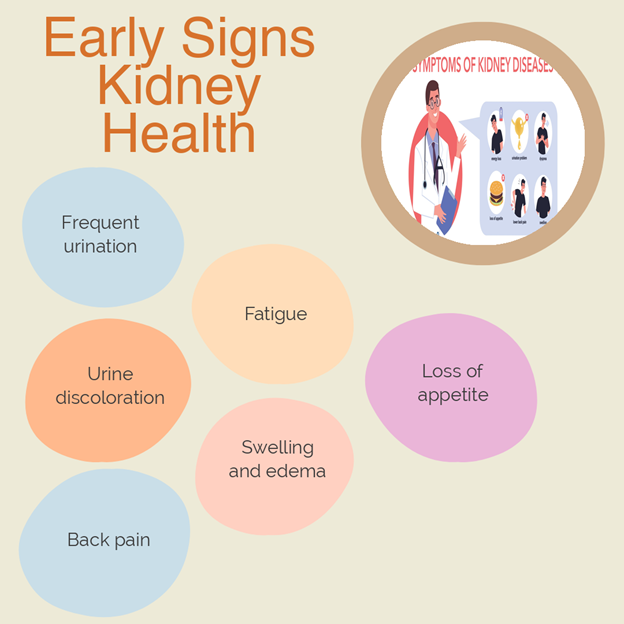
Urinary tract obstructions make urine flow through the urinary tract tough. A blocked urinary tract strains kidney health and can cause acute kidney issues. Things like kidney stones, tumors, or an enlarged prostate may lead to these blockages. Pressure from blockages can harm the kidneys over time.

Spotting early warning signs might help stop serious damage to kidneys. Look out for changes like:

  • Urine output going down, feeling less comfortable
  • Swelling in hands or feet that happens often
  • Pain happening in your lower belly or side area
  • Blood pressure higher than usual when measured at home
    Noticing these signs early is a big deal, so see a doctor quickly. Doctors often run tests like ultrasounds or CT scans to spot problems.
    Treatments fix the issue based on what’s causing it. If kidney stones are in play, they might suggest certain medicines or treatments. Sometimes surgery is needed if the block isn’t simple to solve. Acting fast helps in reducing risks tied to acute kidney problems. Regular check-ups help, especially for those more likely to have kidney issues, such as people with past stone problems.

8. Autoimmune Diseases and Their Impact

Autoimmune diseases arise when the body’s defenses attack its own tissues. This mistaken immune response can hurt the kidneys, leading to acute kidney disease causes. With conditions like lupus nephritis and IgA nephropathy, the immune system wrongly targets kidney tissues.

Managing these autoimmune conditions needs careful medical guidance. Early diagnosis with specific treatments helps protect the kidneys long-term. Approaches usually include:

  • Medications that can calm inflammation or control the immune system.
  • Lifestyle changes, like a healthy diet supporting kidney health.
  • Regular visits with doctors for ongoing check-ups and monitoring.

People with these diseases should team up with a kidney specialist to address their total well-being. Being informed and proactive can reduce risks from autoimmune-related acute kidney disease causes.

Conclusion and Call to Action

Understanding acute kidney disease causes like urinary tract issues helps in prevention. Always be on the lookout for early signs and seek medical help quickly. Stepping up with precautionary measures is key to maintaining kidney health.

Visit SIDS Hospital for your kidney check-ups and expert consultations. They offer tailored services to meet your specific needs and concerns. Staying proactive in your kidney health ensures long-term functionality and wellness.

Pelvic Organ Prolapse Explained: Understanding Causes and Symptoms

Imagine not knowing why your body feels different and dealing with discomfort or unexpected symptoms. One condition causing such issues is pelvic organ prolapse. Understanding it helps in finding solutions and preventing complications.

Introduction to Pelvic Organ Prolapse

Pelvic organ prolapse happens when organs like the bladder, uterus, or bowel droop or sag. They press against the walls of the vagina. It’s more common than most people think. Knowing this condition guards you against complications. Women, especially after childbirth, must understand what causes this shift in their body structure. Recognizing the signs early ensures timely care. Understanding pelvic organ prolapse can improve life quality and reduce discomfort.

Understanding the Pelvic Floor

The pelvic floor is a group of muscles and tissues. It supports organs such as the bladder, uterus, and rectum. Imagine it like a hammock holding your organs in place. A healthy pelvic floor keeps everything in its correct position. When muscles weaken, organs may slip out of place, leading to prolapse. Regular exercises can help maintain this support system. So, a strong pelvic floor adds to overall good pelvic health.

Causes Behind Pelvic Organ Prolapse

Several factors lead to pelvic organ prolapse, especially within an Indian setting:

  • Childbirth causes: Deliveries with long labor or many births can weaken muscles.
  • Lifestyle effects: Obesity adds pressure on pelvic organs. Chronic coughing from smoking or allergies and constipation also play roles.
  • Genetics: Family history can increase risk. Prior surgeries in this area may also contribute.

Understanding these causes can help in preventing pelvic organ prolapse and managing its impact more effectively.

Types of Pelvic Organ Prolapse

There are several types of prolapse:

  • Cystocele: This is when the bladder presses against the front of the vagina.
  • Rectocele: This occurs when the rectum bulges into the back of the vagina.
  • Uterine prolapse: The uterus descends into the vaginal canal.
  • Enterocele: This involves the small intestine.

Symptoms vary depending on type, like feeling pressure or fullness in the pelvic area.

Recognizing the Signs and Symptoms

Recognizing the signs of pelvic organ prolapse offers many women relief and clarity. Symptoms may include:

  • Pressure or heaviness in the pelvic region.
  • Bulging in the vagina indicating something might be off.
  • Urinary problems like leaks or discomfort during urination.

Symptoms range from mild to severe. If ignored, they worsen, demanding more advanced care. Understanding these signs of pelvic organ prolapse helps in prompt attention to physical and emotional well-being.

Daily Impacts and Emotional Considerations

Pelvic organ prolapse influences daily actions, like lifting or exercising. Women might feel self-conscious during intimate moments. Emotions can range from frustration to sadness. It’s essential to acknowledge these emotions. Support from family and friends helps in dealing with these feelings. They ensure that pelvic organ prolapse doesn’t become the sole focus of a woman’s life.

Nutrition and Lifestyle for Prevention

What you eat affects your pelvic organ prolapse risk. A balanced diet strengthens muscles and tissues. Consuming traditional Indian foods can aid pelvic strength. Include: – Dal and chickpeas are excellent for muscle health. – Spinach provides vital nutrients. – Fresh fruits like berries for antioxidants.

Regular activity, including pelvic exercises, promotes better pelvic health. Preventing pelvic organ prolapse means making small, impactful changes to everyday routines.

When to Seek Medical Guidance?

Noticing signs of pelvic organ prolapse is crucial. Symptoms like constant discomfort or difficulty with urination need urgent care. Early assessment ensures better outcomes, reducing further complications. Seeking professional help promptly can relieve anxiety and provide much-needed peace of mind.

Treatment Options and Advances

There are several options for managing pelvic organ prolapse:

  • Non-surgical: These include pelvic floor exercises from physiotherapists and lifestyle changes.
  • Surgical: Operations like repairing the vaginal wall are effective.

Advancements in medical care at places like SIDS Hospital ensure optimal health for women, promising the most up-to-date solutions.

Proactive Measures and Preventative Practices

Taking steps now decreases future pelvic organ prolapse risks.

Key preventive actions include:

– Routine pelvic floor exercises.

– Maintaining a healthy weight.

– Avoiding straining during bowel movements and treating coughs early.

Indian women benefit significantly from these approaches to ensure comfort and confidence.

Innovative Visual Resources for Understanding

Educational graphics simplify pelvic organ prolapse for easier understanding. Videos explain symptoms and solutions visually. They cater to all, regardless of literacy level, advocating widespread awareness.

Empowering Self-Care and Monitoring

Monitoring for signs of pelvic organ prolapse encourages proactive self-care. Documenting any noticeable changes helps identify problems early. Developing self-care awareness aids in managing symptoms, increasing confidence and control over personal health.

Concluding Thoughts on Pelvic Health

Recognizing and understanding pelvic organ prolapse empowers you to take charge of your health. Staying educated prevents complications. Future discussions aim at introducing newer advancements and additional care methods.

Support and Expertise at SIDS Hospital

SIDS Hospital offers specialized services for pelvic organ prolapse. The highly trained medical team provides in-depth consultations. Patients receive personalized care and support tailored to their needs. For expert advice and comprehensive treatment, visiting SIDS Hospital can make a significant difference in managing this condition effectively.

Understanding Peroneal Tendon Swelling: Causes and Treatments Unveiled

The peroneal tendons play a critical role in keeping your ankle stable, which is vital for walking and running. However, peroneal swelling, often linked to peroneal tendonitis, is a common issue that many people face. Peroneal tendon swelling can lead to discomfort and reduced mobility. Having an awareness of this problem and knowing the best ways to manage it can make a significant difference in your daily life.

The Anatomy and Function of Peroneal Tendons

Your body has key tendons responsible for foot and ankle movement. The peroneal tendons include the peroneus brevis, peroneus longus, and peroneus tertius. These tendons are situated on the outside of your ankle. Together, they provide stability by supporting your foot’s eversion, which means turning the sole of the foot outward.

  • Peroneus brevis: Assists in eversion and bears weight.
  • Peroneus longus: Crosses from the ankle to the sole, aiding in arch support and stability.
  • Peroneus tertius: Primarily assists in foot eversion.

When these peroneal tendons work harmoniously, your foot mechanics function seamlessly, allowing you to perform everyday movements like walking, running, and balancing. Understanding their role highlights their importance in our overall mobility. Additionally, superior extensor retinaculum swelling, which occurs in the ankle, can impact these tendons, causing discomfort.

Causes and Symptoms of Peroneal Tendon Swelling

Peroneal tendon swelling often occurs due to repetitive actions involving the ankle. Frequent activities like running, jumping, or even walking up steep inclines are common culprits. An unexpected twist or significant increase in physical activity can also lead to this issue. Incidents like slipping while walking may contribute to peroneus longus swelling.

Recognizing Symptoms:

https://trycom.s3.amazonaws.com/blog_imgs/7c2fa839-0877-4457-88e5-60e934945f39.png– Pain along the back of the ankle. – Peroneal tendon sore to touch, indicating irritation. – Noticeable swelling on the outer side of the ankle. – A feeling of ankle instability, making walking tricky.

It’s crucial to distinguish between acute and chronic conditions here. Acute swelling might happen suddenly, like spraining your ankle while hiking, while chronic swelling develops over time due to repeated stress or neglect. Identifying symptoms early is important for managing both forms.

Identifying Risk Factors and Diagnostic Techniques

https://trycom.s3.amazonaws.com/blog_imgs/39c8fbe3-8114-477f-a89a-955f3c8df44b.pngDifferent factors can increase the risk of peroneal swelling. Age is one; as we get older, our tendons could weaken. Being overweight might put extra strain on the ankle tendons, potentially causing swelling. Performing repetitive movements, such as sports or certain jobs, can also wear down these tendons over time.

Diagnostic Techniques:

  • Physical exams: A doctor may feel around the ankle for pain locations or other signs.
  • Imaging tests: X-rays or MRIs provide detailed visuals to pinpoint issues within tendons, including whether peroneal tendonitis relieves itself over time or needs intervention.

Catching peroneal swelling early means you can prevent further damage and start treatments quickly. That could be key in reducing long-term problems and helping you stay active.

Treatment and Remedies for Peroneal Tendon Swelling

Dealing with peroneal tendon swelling involves a mix of professional treatment and self-care. Combining both helps ensure effective relief and recovery.

Treatments Include:

  • Medical Help: Seeking a doctor’s advice is vital for proper peroneal tendonitis treatment. They might suggest rest, medication, or other strategies.
  • Physical Therapy: A therapist can guide you on exercises that improve overall ankle strength and flexibility, helping with peroneus strengthening.
  • Orthotics: Customized shoe inserts can provide better foot support, reducing strain on tendons.

You can also consider home remedies for peroneal tendonitis:

  • Rest: Allow time for your tendons to heal. Avoid activities that cause pain.
  • Cold packs: Apply ice packs to your ankle to lessen swelling and discomfort.
  • Compression: Support braces can offer more stability for an affected ankle.

In India, cultural methods like ayurvedic treatments and yoga might also offer relief by balancing strain on the ankle and improving overall foot health.

Prevention and Long-term Care for Tendon Health

Keeping your tendons healthy reduces the chances of future issues. Taking proactive steps is vital for long-term well-being.

Tips for Prevention:

  1. Proper Footwear: Invest in shoes with good support, especially if you’re on your feet a lot.
  2. Healthy Lifestyle: Maintaining a healthy weight reduces stress on your ankles.
  3. Exercises: Engage in routines that promote peroneus strengthening. Simple balance and stretch exercises can fortify ankle muscles.
  4. Modify Activities: Alternate between different physical activities to avoid repetitive stress.

Regular visits to healthcare professionals are also crucial. They can provide advice on maintaining your tendon health and suggest any adjustments in your routine.

Managing peroneal tendon swelling successfully melds awareness, timely action, and consistent care. With the right approach, you can enjoy an active lifestyle without pain or limitation.