

 Book Appointment
.png) Video Consultation
Video Consultation
Causes of Infertility at a Young Age: Understanding Obstetric and Gynecological Factors
Introduction: What Is Infertility and Why Does It Matter?
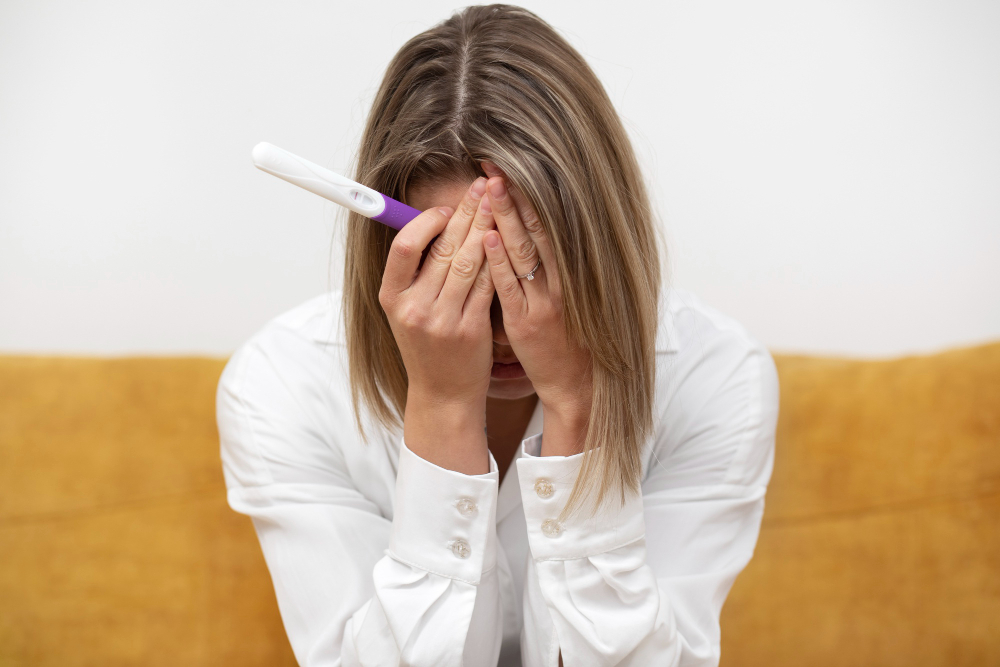
Infertility means not being able to get pregnant after trying for a year. For young people, this can be surprising and stressful. However, understanding the causes of infertility at a young age can help you take early steps. Many young women and men face this issue, but help is available. According to the World Health Organization (WHO), infertility affects about 15% of couples worldwide. Early awareness can make a big difference.
Primary Causes: Obstetric and Gynecological Factors
There are many reasons for infertility in young people. Often, these causes are linked to the reproductive system. Let’s look at the most common obstetric and gynecological factors:Hormonal Imbalances: Sometimes, the body does not make the right amount of hormones. This can affect ovulation, which is when the ovary releases an egg.Polycystic Ovary Syndrome (PCOS): PCOS is a common cause of infertility in young women. It leads to irregular periods and makes it harder to release eggs.Endometriosis: This condition happens when tissue from the uterus grows outside it. As a result, it can block the fallopian tubes or cause pain.Lifestyle Factors: Smoking, drinking alcohol, being overweight, or underweight can affect fertility. Stress and poor diet also play a role.Genetic Issues: Some people are born with genetic problems that affect their reproductive organs.Infections: Sexually transmitted infections (STIs) like chlamydia or gonorrhea can damage the reproductive system. Early treatment is important.
Symptoms and Warning Signs
Many people do not notice symptoms until they try to have a baby. Still, some warning signs can help you spot problems early. For example, you may notice:Irregular or missed periodsPainful periods or pelvic painUnusual vaginal dischargeChanges in hair growth or weightPain during sexNo pregnancy after a year of trying
If you notice any of these signs, it is wise to talk to a doctor. Early action can help find the cause.
Diagnosis: How Is Infertility Found?
Doctors use several tests to find the causes of infertility at a young age. First, they will ask about your health and family history. Next, they may do a physical exam. Common tests include:Blood tests to check hormone levelsUltrasound to look at the ovaries and uterusOvulation tracking to see if you are releasing eggsTests for infections or blockagesFor men, a semen analysis checks sperm health
With these tests, doctors can find the main reason and suggest the best treatment.
Prevention and Lifestyle Guidance
While not all causes can be prevented, you can lower your risk. Here are some tips to protect your fertility:Eat a balanced diet rich in fruits and vegetablesExercise regularly but avoid extreme workoutsMaintain a healthy weightAvoid smoking and limit alcoholPractice safe sex to prevent infectionsManage stress with relaxation techniques
Making small changes can have a big impact on your reproductive health.
When to Seek Medical Help
If you have tried to get pregnant for a year without success, it is time to see a specialist. However, if you have irregular periods, severe pain, or a history of infections, seek help sooner. Early diagnosis can improve your chances of having a baby. Remember, you are not alone, and many treatments are available.
Conclusion
Infertility at a young age can be caused by many factors. Understanding the causes of infertility at a young age helps you take control of your health. If you have concerns, consult a healthcare specialist at SIDS Hospital & Research Centre for personalized advice. Our expert team is here to help you understand your options and guide you through the next steps in your fertility journey.